Skip to content

Plant guide · California

Drought-tolerant natives that feed the most wildlife

Most California natives need little water once they're established. Where they differ is how much wildlife they support. Every plant here needs low or very low water, and each scores above 50 for wildlife, the mark of a typical native.

Each one grows wild in at least 25 of California's 58 counties and is widely sold, but none grows everywhere. Your address decides which ones belong.

See which of these grow wild near your address. Free preview, no account.

At a glance

  • Pacific Madrone

    Arbutus menziesii

    Wild in 37 of 58 counties · Low water · Part shade

    March, April, May
  • Canyon Live Oak

    Quercus chrysolepis

    Wild in 47 of 58 counties · Low water · Full sun

    March, April, May
  • Gray Pine

    Pinus sabiniana

    Wild in 42 of 58 counties · Very low water · Full sun

    —
  • Common Snowberry

    Symphoricarpos albus

    Wild in 31 of 58 counties · Low water · Part shade

    May, June, July, August, September
  • Deerweed

    Acmispon glaber

    Wild in 37 of 58 counties · Very low water · Full sun

    March, April, May, June, July, August
  • California Wild Rose

    Rosa californica

    Wild in 51 of 58 counties · Low water · Sun or shade

    February, March, April, May, June, July, August, September, October, November
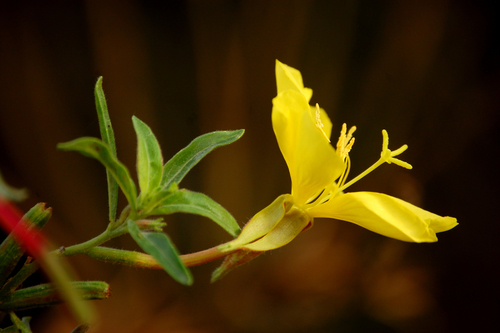
  • Hooker's Evening Primrose

    Oenothera elata

    Wild in 57 of 58 counties · Low water · Full sun

    July, August, September, October
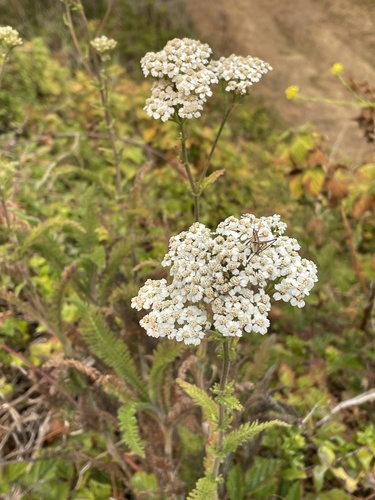
  • Yarrow

    Achillea millefolium

    Wild in 56 of 58 counties · Low water · Sun or shade

    April, May, June, July, August, September
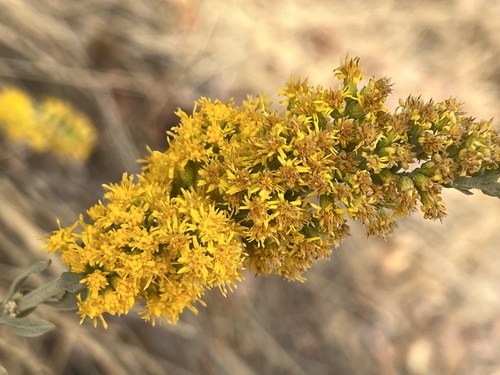
  • California Goldenrod

    Solidago velutina ssp. californica

    Wild in 44 of 58 counties · Low water · Full sun

    July, August, September, October
  • Red Fescue

    Festuca rubra

    Wild in 25 of 58 counties · Low water · Sun or shade

    May, June, July
  • California Brome

    Bromus sitchensis var. carinatus

    Wild in 57 of 58 counties · Low water · Sun or shade

    April, May, June, July, August
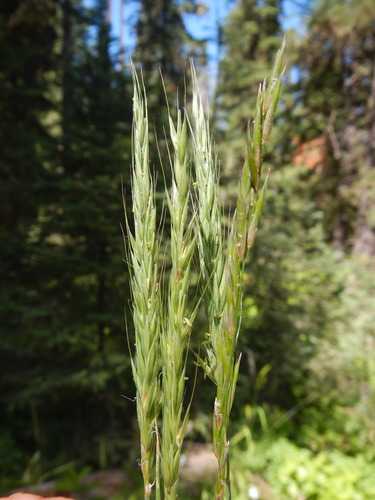
  • Blue Wildrye

    Elymus glaucus

    Wild in 55 of 58 counties · Low water · Sun or shade

    June, July, August
  • Creeping Sage

    Salvia sonomensis

    Wild in 25 of 58 counties · Very low water · Full sun

    March, April, May, June, July, August

Trees

Each with its wildlife value from 1 to 100; 50 is a typical California native. Open a card for the details.

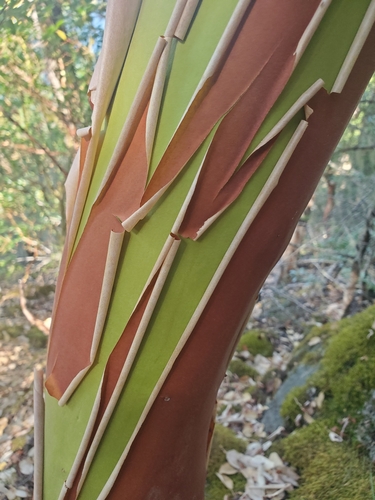
Pacific MadroneKeystone

Arbutus menziesii

Size
30–100 ft tall · 20–50 ft wide
Water
Low
Light
Part shade
Bloom
Spring · white
Canyon Live OakKeystone

Quercus chrysolepis

Size
20–60 ft tall · 20–50 ft wide
Water
Low
Light
Full sun
Bloom
Spring · yellow-green
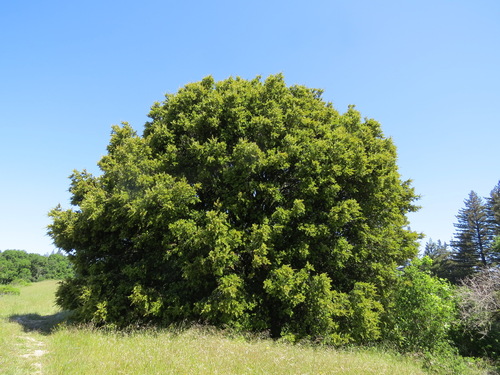
Gray PineKeystone

Pinus sabiniana

Size
40–80 ft tall · 20–40 ft wide
Water
Very low
Light
Full sun

Shrubs

Common Snowberry

Symphoricarpos albus

Size
2–6 ft tall · 3–6 ft wide
Water
Low
Light
Part shade
Bloom
Spring, Summer, Fall · pink
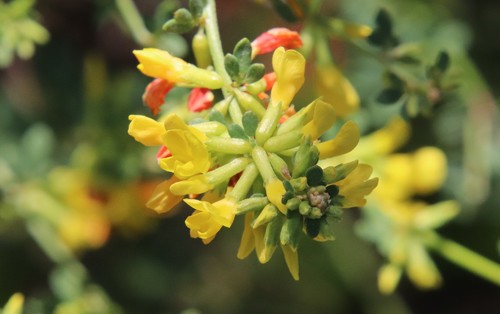
DeerweedKeystone

Acmispon glaber

Size
2–3 ft tall · 3 ft wide
Water
Very low
Light
Full sun
Bloom
Spring, Summer · yellow
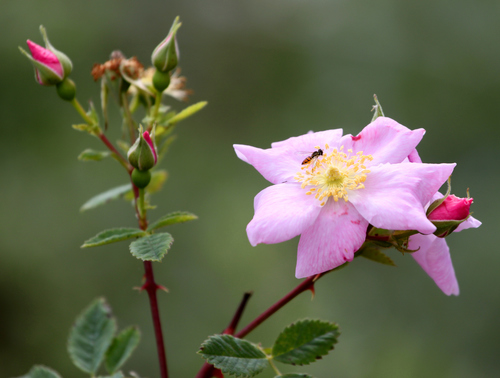
California Wild RoseKeystone

Rosa californica

Size
3–8 ft tall · 6–10 ft wide
Water
Low
Light
Sun or shade
Bloom
Winter, Spring, Summer, Fall · pink

Perennials & wildflowers

Hooker's Evening Primrose

Oenothera elata

Size
2–6 ft tall · 2–4 ft wide
Water
Low
Light
Full sun
Bloom
Summer, Fall · yellow
Yarrow

Achillea millefolium

Size
1–3 ft tall · 1–3 ft wide
Water
Low
Light
Sun or shade
Bloom
Spring, Summer, Fall · white
California GoldenrodKeystone

Solidago velutina ssp. californica

Size
1–4 ft tall · 2–4 ft wide
Water
Low
Light
Full sun
Bloom
Summer, Fall · yellow

Native grasses

Red Fescue

Festuca rubra

Size
0.5–3 ft tall · 1–3 ft wide
Water
Low
Light
Sun or shade
Bloom
Spring, Summer · inconspicuous
California Brome

Bromus sitchensis var. carinatus

Size
1–4 ft tall · 1–2 ft wide
Water
Low
Light
Sun or shade
Bloom
Spring, Summer · inconspicuous
Blue Wildrye

Elymus glaucus

Size
2–5 ft tall · 1–2 ft wide
Water
Low
Light
Sun or shade
Bloom
Summer · inconspicuous

Ground covers

Creeping Sage

Salvia sonomensis

Size
0.5–1.5 ft tall · 4–8 ft wide
Water
Very low
Light
Full sun
Bloom
Spring, Summer · purple

Good to know

Established means a year or two
Even drought-tolerant plants need regular water through their first summer or two, until their roots reach deeper soil. Plant in fall, with the first rains, and the winter does much of that work.
Low water is not no water
"Very low" plants can go without summer water once established. "Low" plants usually want an occasional deep watering in summer, more often inland.

How we chose these. From our catalog: native plants that need low or very low water once established, are widely sold, and grow wild in at least 25 counties. We took the top three of each plant type by wildlife value, one per genus, as of October 2026. A report for your address keeps only the plants that have been collected growing wild near you. How the wildlife value is scored

Find out which belong at your address

Enter your address and the free preview shows your land, your soil and climate, and a first look at the natives that grow wild near you, no account needed. The full report is the whole shortlist for your address, a list you build yourself, and a printable nursery list for $40.

Planting season starts with the first rains. Now is when to plan.